Greta Schmidt · 22 October 2026
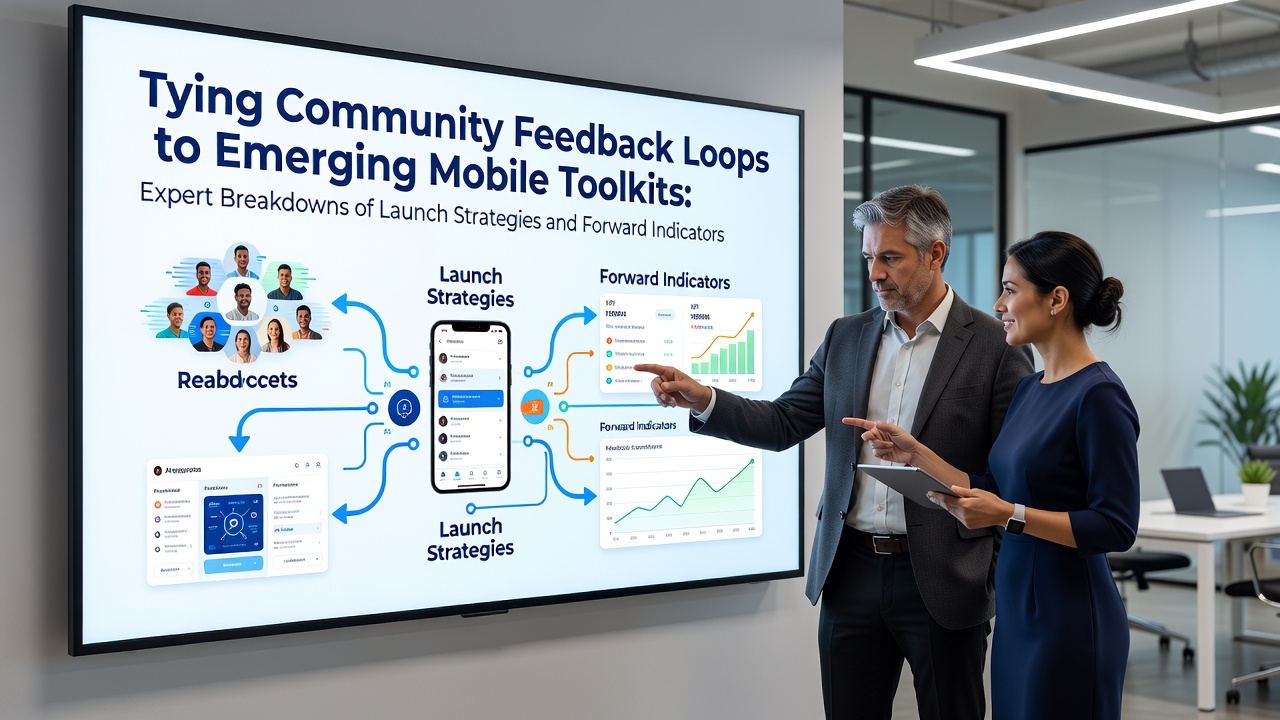
Tying Community Feedback Loops to Emerging Mobile Toolkits: Expert Breakdowns of Launch Strategies and Forward Indicators
Developers and analysts have tracked how community input shapes the rollout of new mobile toolkits, with patterns emerging from data collected across multiple platforms in 2025 and into October 2026. Research indicates that feedback mechanisms built directly into these toolkits allow teams to adjust features before full market release, and figures from industry reports show higher retention rates when such loops operate continuously rather than as one-off surveys.
Core Mechanisms Connecting Feedback and Toolkits
Emerging mobile toolkits now incorporate APIs that pull real-time user comments from forums, app stores, and social channels into centralized dashboards. According to studies released by the European Commission on digital innovation, these integrations reduce iteration cycles by an average of 30 percent when teams apply the data during beta phases. Experts note that the process starts with structured prompts inside the toolkit itself, which guide contributors toward specific pain points like battery usage or interface responsiveness, while automated tagging sorts responses by priority.
One analysis from researchers at a Canadian technology institute revealed that toolkits using weighted feedback scores achieved faster alignment with regulatory standards for data privacy. The approach connects user reports on security concerns directly to code repositories, allowing developers to test patches in controlled environments before broader distribution.
Breakdowns of Launch Strategies
Launch strategies documented in recent case reviews emphasize phased rollouts that begin with closed community groups. Teams release limited versions through the mobile toolkit, gather quantitative metrics alongside qualitative comments, and then scale based on those combined signals. Data from GSMA industry surveys shows that organizations following this sequence report fewer post-launch fixes compared to traditional top-down methods.
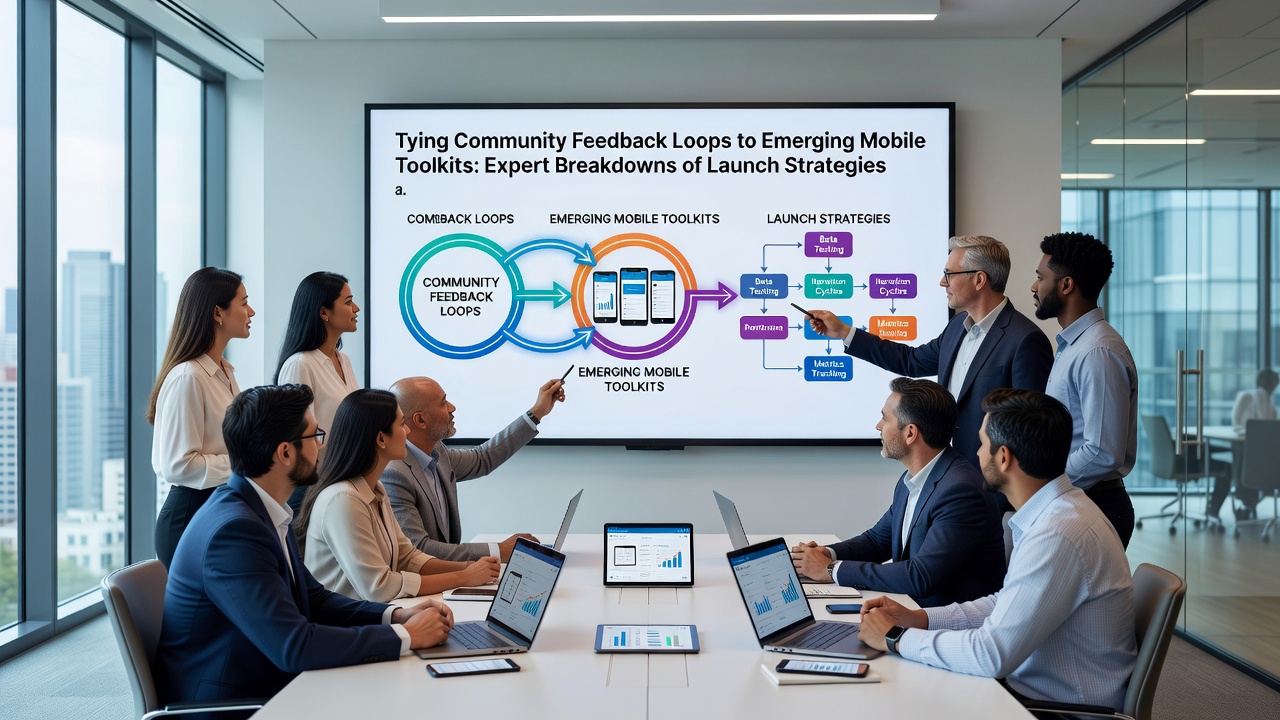
Experts have detailed several recurring tactics. First comes the mapping of feedback categories to specific toolkit modules, such as linking animation complaints to rendering engines. Second involves setting thresholds where a certain volume of negative input triggers automatic alerts. Third requires cross-referencing community data with internal performance logs to separate user perception from technical reality. These steps unfold in sequence during the pre-launch window, and records from October 2026 product cycles confirm their application across both enterprise and consumer applications.
Forward Indicators and Measurement Approaches
Forward indicators tracked by analysts include sentiment velocity, which measures how quickly community opinions shift after a toolkit update, and adoption velocity, which records the speed of feature uptake within feedback participant groups. Research from academic papers published in 2026 highlights correlations between these indicators and long-term market performance, with positive sentiment velocity often preceding revenue growth by two to three quarters.
Teams monitor these through built-in analytics that aggregate data without requiring separate reporting tools. Observers note that when sentiment velocity remains stable over multiple iterations, launch teams gain confidence to expand geographic reach, whereas sharp drops prompt immediate feature audits. Figures compiled by research institutions in Australia demonstrate that toolkits employing these indicators saw a measurable uptick in developer retention during the first half of 2026.
Practical Integration Examples
Take one project where developers connected community-reported localization issues directly to string management modules inside a mobile toolkit. Adjustments rolled out within days rather than weeks, and subsequent updates reflected the same loop structure. Another instance involved hardware compatibility feedback that fed into device profile libraries, allowing the toolkit to suggest optimizations automatically during the build process.
These examples illustrate how the feedback connection operates at the code level, and documentation from various sources confirms similar patterns across different regions and company sizes. The method avoids isolated surveys by embedding collection points inside the development workflow itself.
Conclusion
Current evidence points to sustained use of community feedback loops within mobile toolkits as a standard element of launch planning. Data collected through October 2026 continues to show links between integrated feedback systems and smoother release timelines, while forward indicators provide measurable signals for ongoing adjustments. Researchers and industry groups maintain active tracking of these developments, with reports expected to expand on geographic variations in the coming periods.