Iris Berger · 5 November 2026
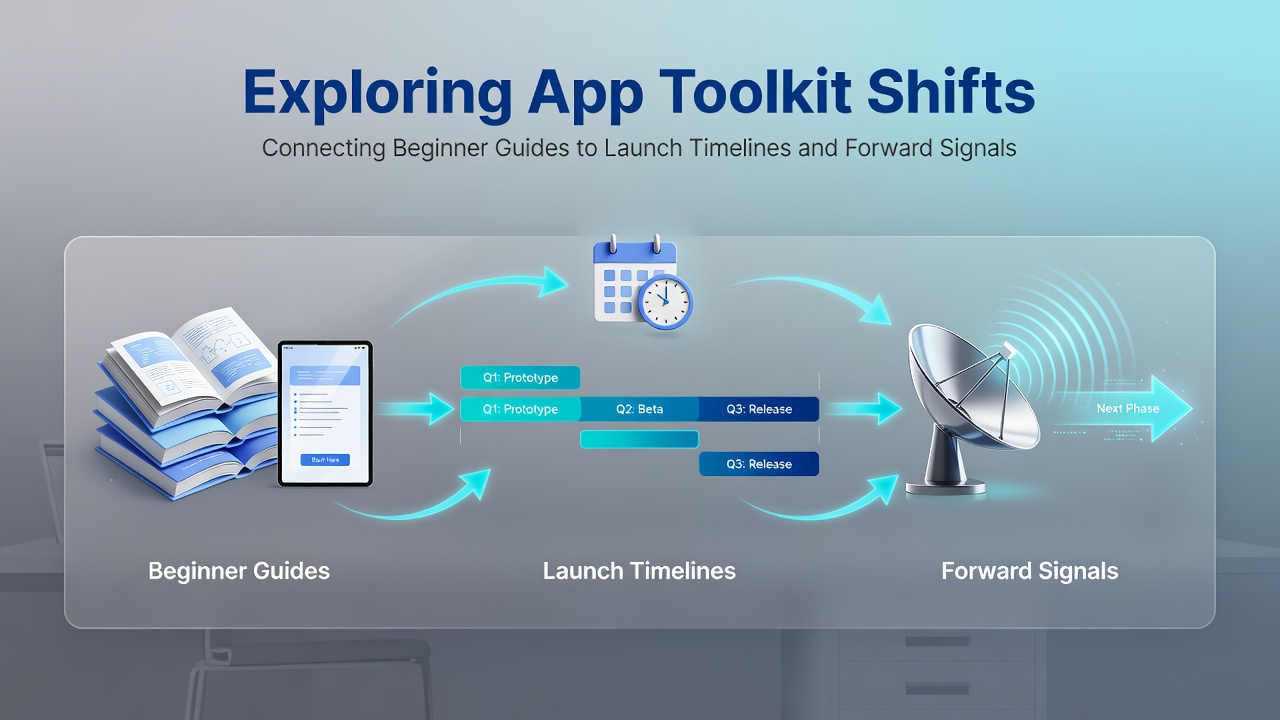
Exploring App Toolkit Shifts: Connecting Beginner Guides to Launch Timelines and Forward Signals
App development toolkits continue to evolve as platforms introduce new frameworks and integration options that reshape how teams approach projects from initial planning through deployment. Observers note that these shifts often align beginner resources with structured timelines while highlighting indicators that point toward upcoming releases and feature updates.
Research from industry reports shows that toolkit updates in 2025 and into 2026 have emphasized modular components and cross-platform compatibility; data indicates that developers using updated kits reduced initial setup time by measurable margins according to figures from the GSMA. Beginner guides now incorporate step-by-step sequences that map directly onto launch schedules, allowing users to track progress against specific milestones such as beta testing windows and certification checkpoints.
Toolkit Components and Their Integration Patterns
Modern app toolkits bundle libraries for user interface elements, data handling, and security protocols into cohesive packages that support rapid iteration. Those who've studied recent releases find that integration patterns favor API-first designs, which connect core functions to external services without requiring extensive custom code. Figures reveal that adoption rates for these patterns rose steadily through the first half of 2026, driven by documentation that ties each module to projected rollout dates.
Experts have observed that forward signals emerge when toolkit providers release preview versions alongside detailed roadmaps. Such previews often include performance benchmarks and compatibility notes that help teams anticipate changes in operating system requirements or hardware support. Research indicates that organizations referencing these signals in their planning cycles achieved more consistent delivery dates compared with those relying solely on internal estimates.
Linking Beginner Resources to Project Schedules
Beginner guides have shifted from static tutorials toward interactive formats that embed timeline markers at key learning stages. Data shows that platforms providing these embedded markers saw higher completion rates among new users, with completion tied to specific launch phases such as prototype validation or store submission preparation. Canadian regulatory updates on digital accessibility, for instance, prompted many guides to include compliance checkpoints aligned with quarterly release cycles.
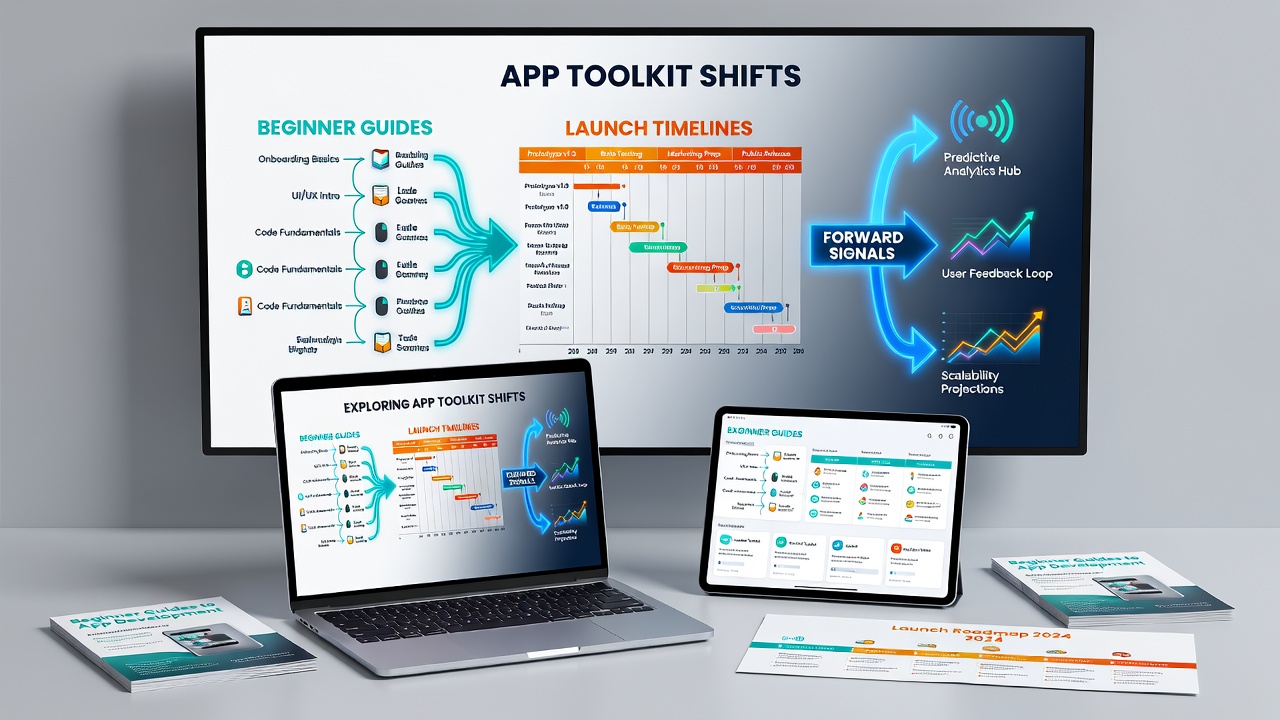
One study from academic sources highlighted how mapping a guide's lessons to a Gantt-style overview helped teams coordinate across departments. The approach connected learning modules on authentication flows with testing windows scheduled two weeks before public launch, reducing last-minute adjustments during final review periods.
Forward Signals and Predictive Indicators in Practice
Forward signals appear in various forms including changelog entries, beta program announcements, and usage analytics shared by toolkit maintainers. Observers note that these elements often cluster around predictable intervals, such as annual developer conferences or regulatory review periods. In November 2026, several major platforms are scheduled to issue updates that incorporate feedback from prior beta cycles, creating opportunities for teams to adjust their own timelines accordingly.
Industry organizations track these signals through aggregated reports that correlate toolkit feature adoption with broader market trends. Evidence suggests that teams monitoring multiple sources, including academic papers on user interface patterns and government digital standards from regions like Australia and the EU, gain clearer visibility into potential disruptions. Such monitoring allows adjustments to launch plans well before certification deadlines arrive.
Case examples show that projects incorporating signal analysis into weekly reviews maintained alignment between beginner training sessions and actual development sprints. This alignment produced documentation updates that reflected real-time changes rather than post-launch corrections.
Regional Variations in Adoption and Documentation
Different regions exhibit distinct patterns when connecting toolkit resources to launch activities. European frameworks emphasize data protection checkpoints within beginner modules, while North American approaches often prioritize performance metrics tied to specific release dates. Australian industry reports have documented similar integrations that link training completion to compliance verification steps scheduled six to eight weeks before market entry.
Those monitoring these variations find that cross-referencing regional guidelines with toolkit roadmaps reveals timing overlaps that affect global rollout strategies. Data from multiple sources indicates that accounting for these overlaps in advance correlates with fewer delays during final deployment phases.
Conclusion
App toolkit shifts continue to reshape how resources connect with launch timelines and forward signals, creating structured pathways from initial learning to production releases. Research indicates that organizations adopting these connections maintain steadier progress across project phases, while regional documentation and predictive indicators provide additional context for planning through late 2026 adn beyond.